Blog

Artificial Intelligence Is Entering a New Era: It's No Longer Just About Better Models, But Smarter Infrastructure
The Shift from Cloud AI to Edge AI
4 min read
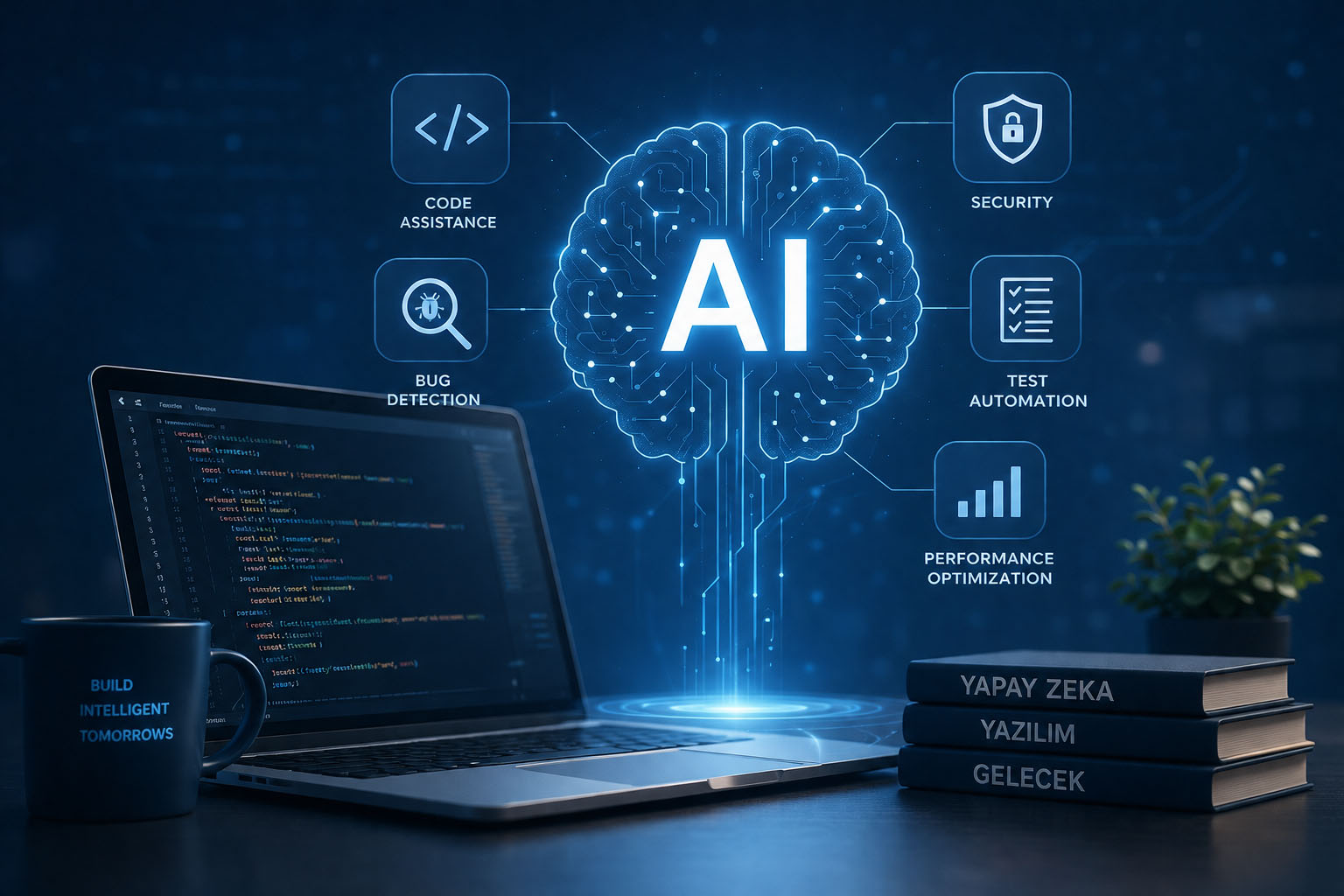
The Role of Artificial Intelligence in the Software Industry: The Future of Software Development
Artificial intelligence is transforming the software industry in areas such as code development, test automation, cybersecurity, and data analysis. In this article, explore the impact of AI on software development processes, its advantages, and its future role.
6 min read
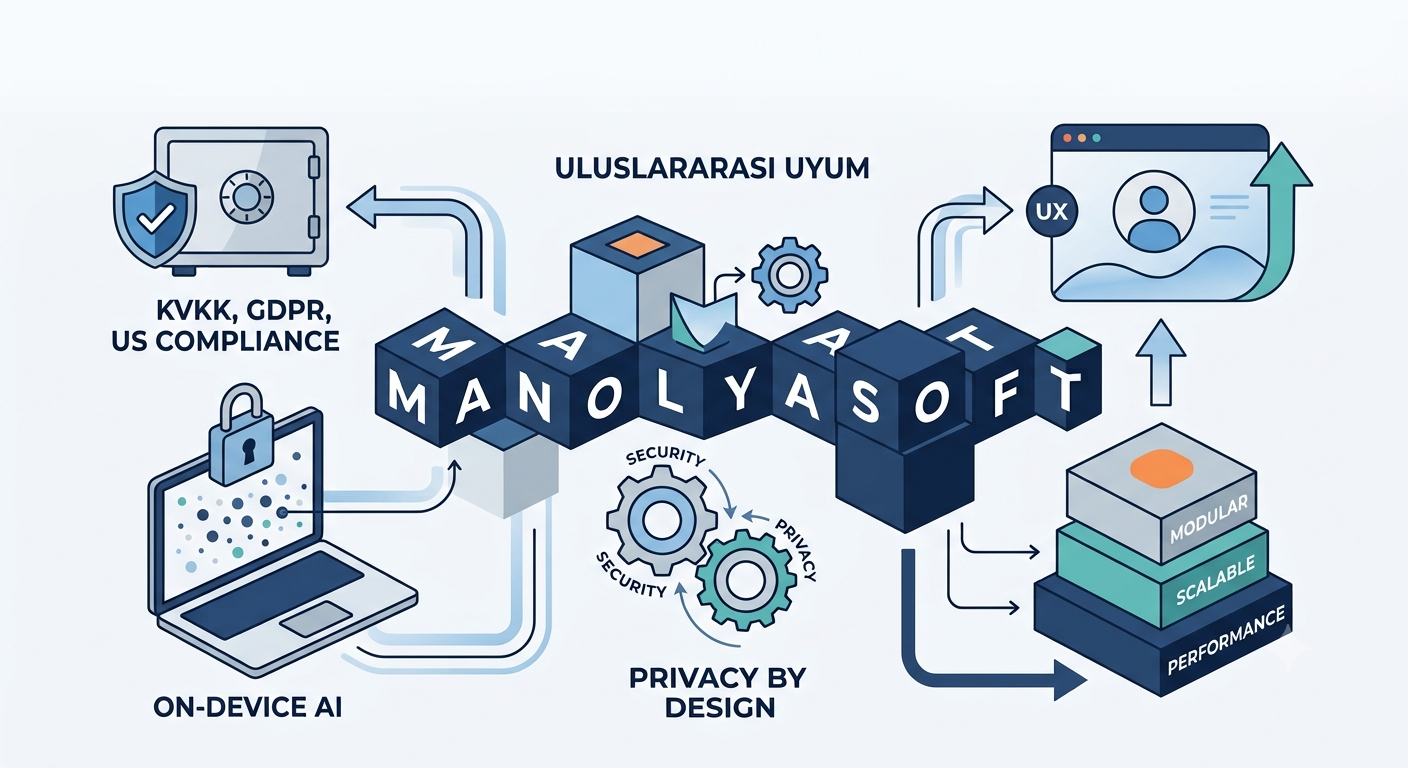
Future Technologies in Enterprise Architecture: Security, AI, and Regulation
Discover the future of enterprise software architecture. Secure your digital transformation with high-performance On-Device AI models, Privacy by Design development principles, and scalable infrastructures with built-in international legal compliance for both KVKK and GDPR regulations.
2 min read
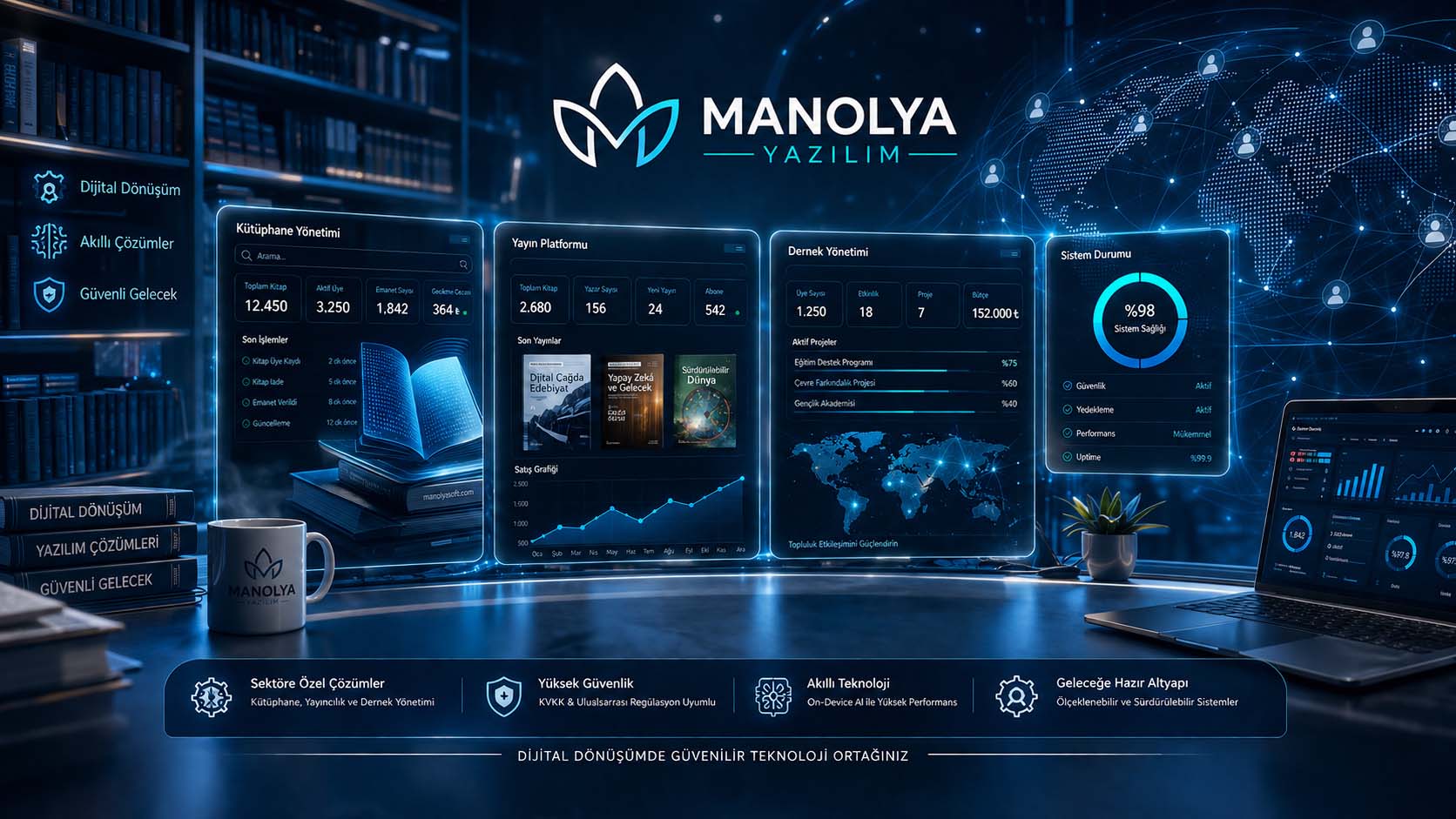
Enterprise Software and Industry-Specific Automation Systems
Digital transformation is not simply about having a website; it is about making organizational processes more efficient, secure, measurable, and manageable. Libraries, publishers, and nonprofit organizations can use enterprise software and industry-specific automation systems to manage their operations through centralized digital platforms. ManolyaSoft develops library management solutions that support book, member, loan, return, ISBN, barcode, RFID, and OPAC processes. For publishers, its digital publishing platforms bring together book catalog management, author profiles, digital manuscript submission, content management, and publishing workflows. For nonprofit organizations, ManolyaSoft develops association management systems that help manage members, volunteers, events, projects, content, documents, and reporting processes. When off-the-shelf software cannot fully meet an organization’s requirements, custom software development can provide a more flexible and scalable alternative. By combining industry-specific workflows with modern software architecture, organizations can improve operational efficiency, centralize their data, simplify repetitive processes, and build a stronger digital infrastructure for sustainable long-term growth and future requirements.
7 min read